The Place Where Stories Grow
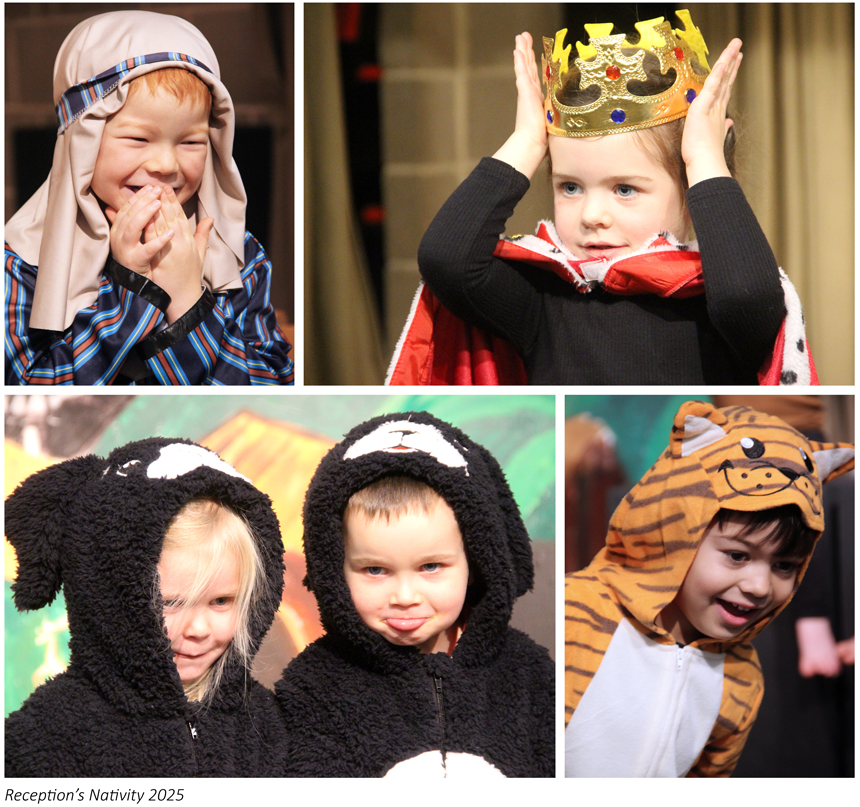
Drama at St John’s is much more than a subject on the timetable. It is a philosophy, a culture and a defining thread woven through the entire childhood experience of our pupils. What makes our provision truly remarkable is that it begins not with memorising lines or learning performance technique, but with something much older, more human, and more powerful: storytelling. From the moment children join Reception (Kindergarten), they step into a world where stories are explored through play, where imagination is treated as a serious educational tool and where performance becomes as natural as conversation.
Every single year group at St John’s performs a play each year. This is not a privilege reserved for the confident or the talented. It is a shared rite of passage and a hallmark of a St John’s education. Through annual performance, pupils learn that their voice matters, their ideas matter and their presence on a stage, in whatever form it takes, is something to be celebrated. By Year 8 (Form 6), they have developed a level of expressive confidence rarely seen in pupils of this age. They understand how to communicate clearly, how to carry themselves with assurance and how to use their imagination as a tool for thinking, problem solving and connection.
Performing at St John’s is like breathing. It is a normal part of life here.
Drama at St John’s is recognised as sector leading because it forms young people who are not only comfortable in front of an audience but comfortable in themselves. It nurtures articulate, emotionally intelligent pupils who listen deeply, speak thoughtfully and collaborate generously. It also strengthens character, ignites creativity and equips children with skills they will use in every chapter of their education and far beyond.
Courtiership: The Art of Being Fully Present
At the heart of our Drama provision lies the distinctive discipline of courtiership. It is one of the defining features of a St John’s education and the single quality that truly differentiates our approach from many others. Courtiership teaches children how to hold themselves with composure, how to listen attentively and how to communicate with both confidence and kindness. It is not showmanship. It is not theatricality. It is an authentic, grounded presence that extends far beyond the confines of the stage.
Courtiership prepares pupils for the moments that cannot be rehearsed: the unexpected question in an interview, the first meeting with new classmates, the challenge of speaking in front of adults, the responsibility of leading a group or the courage required to navigate uncertainty. Through drama, children learn how to respond thoughtfully rather than react impulsively. They learn to pause, to breathe, to think and to choose their words with care.
In a world where many young people experience rising levels of social pressure, anxiety and performance expectations, the ability to carry oneself calmly and authentically is transformative. Pupils develop posture, breath control, vocal clarity and emotional awareness without even realising they are learning deeply valuable life skills. They become strikingly adept at presenting themselves in a wide range of contexts, and adults often comment on how confidently St John’s pupils enter a room.
The impact of courtiership is lasting. It helps children express ideas in class discussions, form friendships, resolve disagreements, participate in group projects and ultimately approach new situations with confidence.
Courtiership is not the outcome of Drama at St John’s. It is Drama at St John’s. It permeates every rehearsal, every story, every scene and every performance.
Drama for Everyone, Created by Everyone
One of the most powerful things about Drama at St John’s is its universality. Every child takes part, every child performs and every child contributes. Drama is not an co-curricular option or an annual add on. It is part of our school’s identity, woven so deeply into the culture that pupils speak of Drama not as something they “do” but as something they “live.”
Drama here is built on the principle that creativity belongs to everyone. A St John’s education ensures that no child is left watching from the sidelines or feeling that performance is something reserved for a select few. Every pupil from Reception to Year 8 has the chance to inhabit characters, explore roles and experience the collaborative magic of creating something together.
This creates a culture of shared pride and excitement. Rehearsals are buzzing, joyful and full of energy. Children discuss scenes over lunch, practise lines in the playground and garden and support one another instinctively. A vivid memory of this spirit came during preparations for the Passion Play, when a group of hockey players sprinted directly from a fixture into the rehearsal studio, still in shin pads, eager not to miss a moment. This was not about obligation. It was about belonging.
Drama for everyone means responsibility for everyone. Pupils learn the value of showing up, listening to one another, taking care with timing and trusting their ensemble. They learn how to lift a peer who forgets a line, how to keep going when something unexpected happens, and how to give space to others when the moment calls for it. They discover that success is not measured by the size of a role but by the strength of the collective effort.
Drama becomes a training ground for leadership, collaboration and empathy. It fosters a culture where children understand that their contribution matters, not because it is perfect but because it is part of a greater whole.
From Play to Performance: The Journey Begins
The Drama journey at St John’s begins in Reception with pure, unfiltered play. Children learn through stories, imaginary worlds and simple acts of imitation. They explore emotions, experiment with movement and discover how to communicate ideas physically and verbally. Nothing is forced. Nothing is formal. This stage is about confidence without pressure and curiosity without fear.
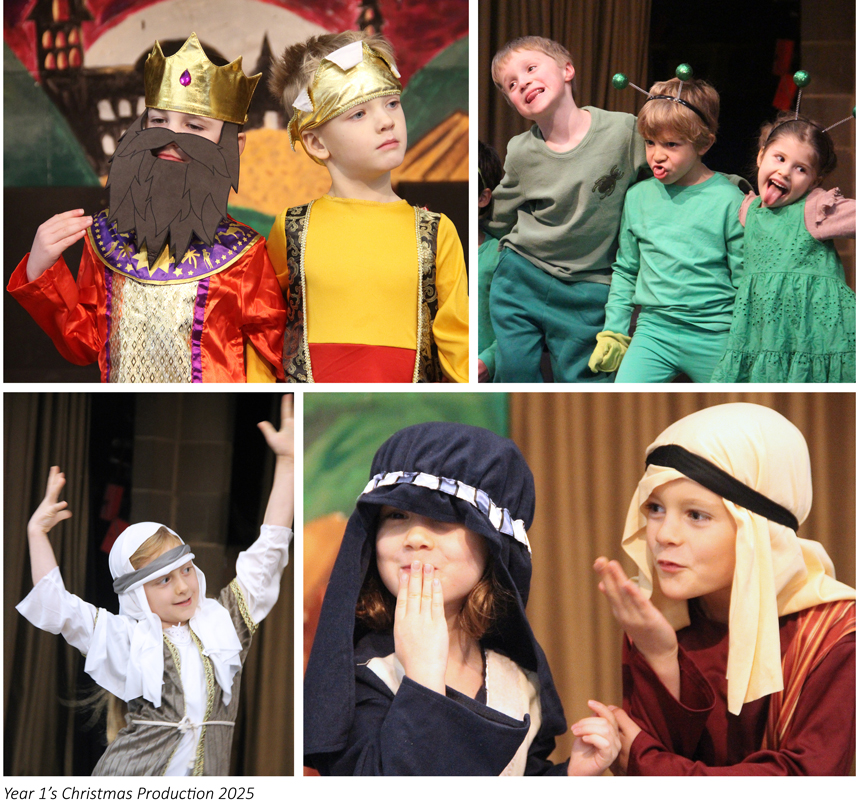
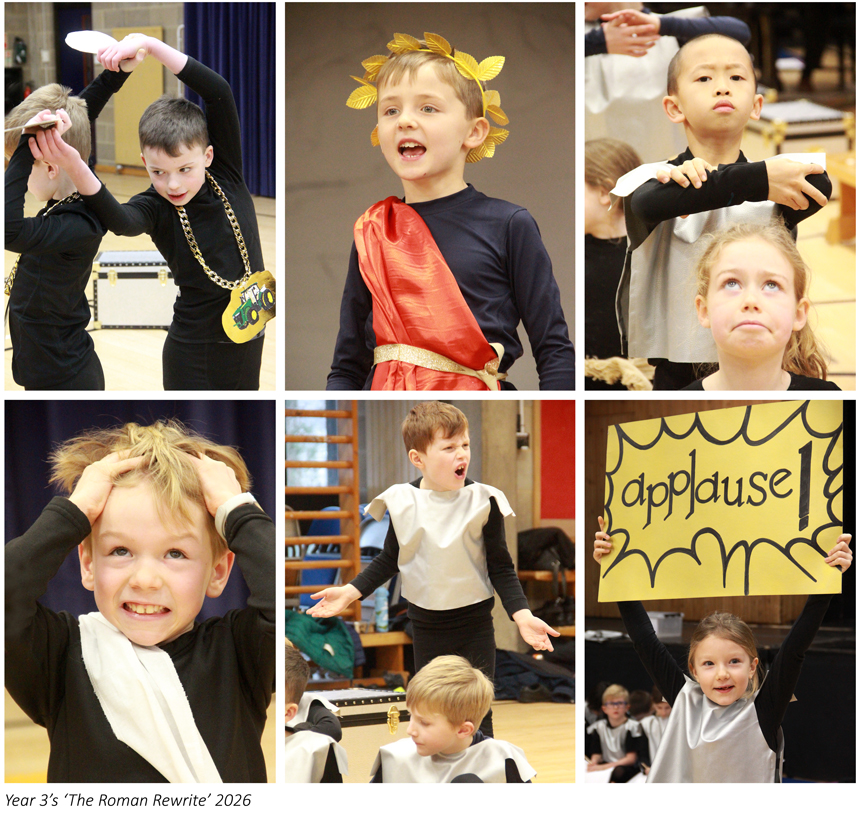
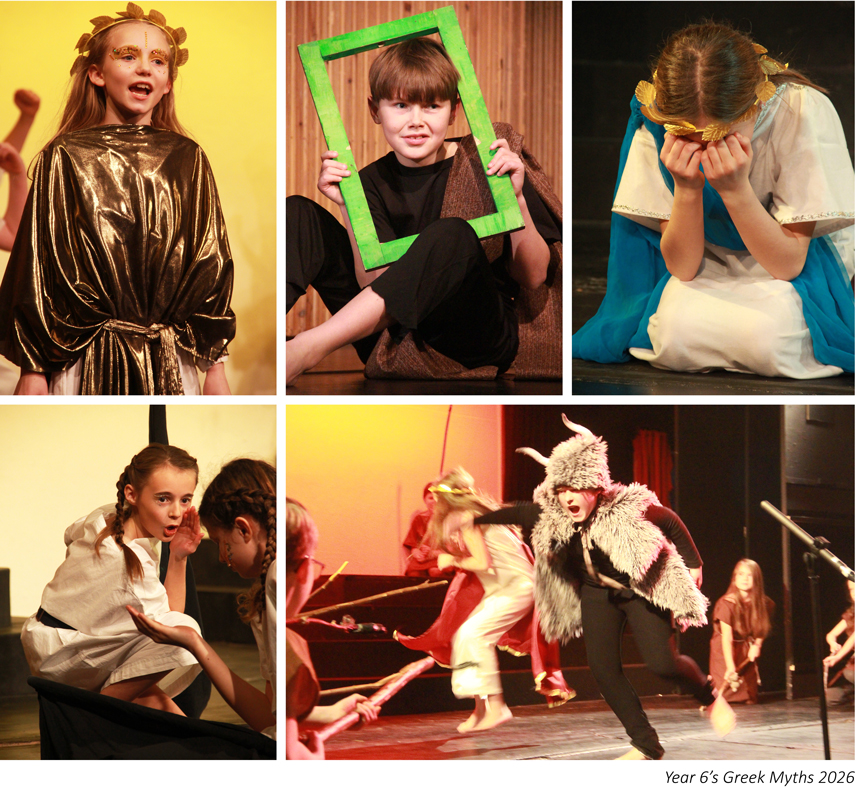
As children move into the early years, storytelling becomes more structured. They begin to dramatise familiar tales, explore characters in more depth and bring curriculum topics to life through performance. By Year 2 (T2) pupils might be retelling legends, animating history or exploring myths through simple scripts they help to shape. They learn early courtiership almost without noticing it: how to stand, how to listen, how to project their voice and how to present themselves in front of others.
These early experiences mean that by the time pupils reach the middle years, Drama feels natural, intuitive and deeply enjoyable. They are ready to take on more technical skills, to work in larger ensembles and to step into productions with increasing ambition and confidence.
Growing Skill, Growing Sophistication
In the middle years pupils experience a significant expansion in their dramatic skills. They begin learning stagecraft, gesture, projection, characterisation, suspension of disbelief and ensemble movement. They practise staying in role, maintaining energy and supporting other cast members through transitions, scenes and songs. Their class productions become more complex, often integrating dance, music and physical theatre. This stage of development is where pupils learn that Drama is both an art and a discipline. It requires creativity, yes, but also responsibility. They learn how to be reliable team members, how to retain focus for long periods and how to bring positivity and commitment to rehearsals. They begin to understand the deeper craft behind performance, how to use silence effectively, how to draw attention to the right moment and how to build tension through stillness or movement.
They discover the power of the ensemble. Drama teaches them that the success of a performance relies not on individual brilliance but on collective synergy. Pupils learn to read the room, respond to one another and sense the ebb and flow of a scene.
The Big Production: A Turning Point
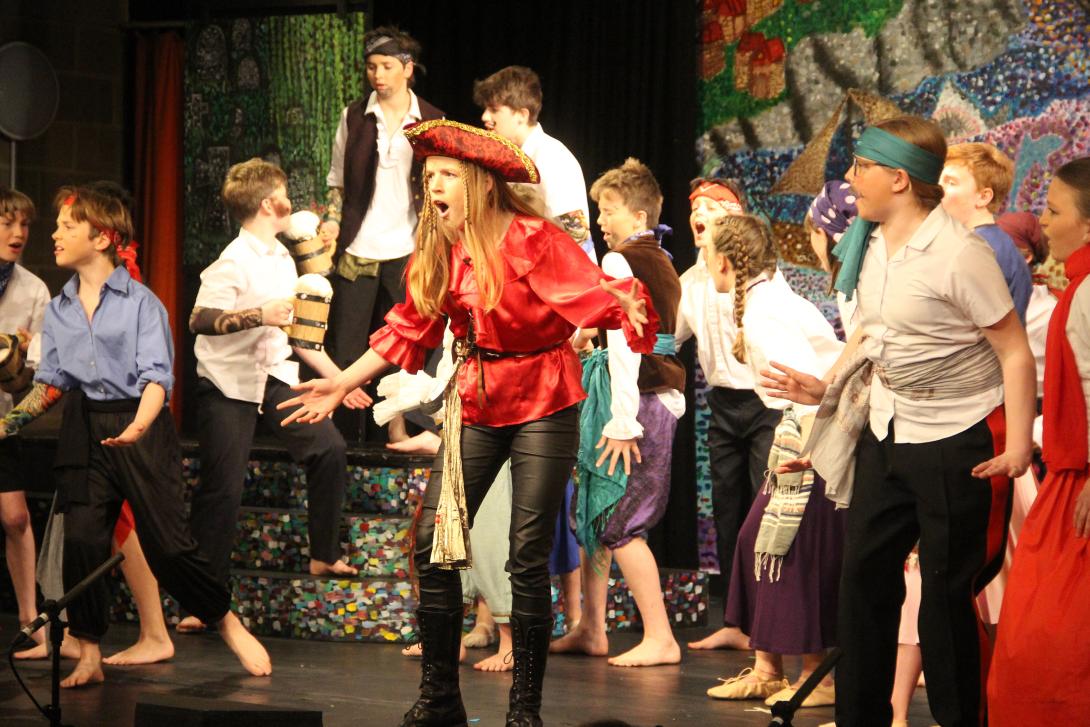
Year 7 (Form 5) marks a major shift in the St John’s Drama journey. The Big Production becomes a transformative experience where childhood imagination meets young adult capability. For many pupils it is the moment they realise that theatre can be powerful, meaningful and profoundly expressive. In this production pupils explore themes with greater depth and begin to understand how to shape an audience’s emotional experience. They use dramatic irony, foreshadowing, humour and tension with intention. They craft characters with nuance and perform scenes that require maturity, focus and subtlety.
Drama teaches children what cannot be scripted-presence, empathy and the courage to meet the moment as it unfolds.
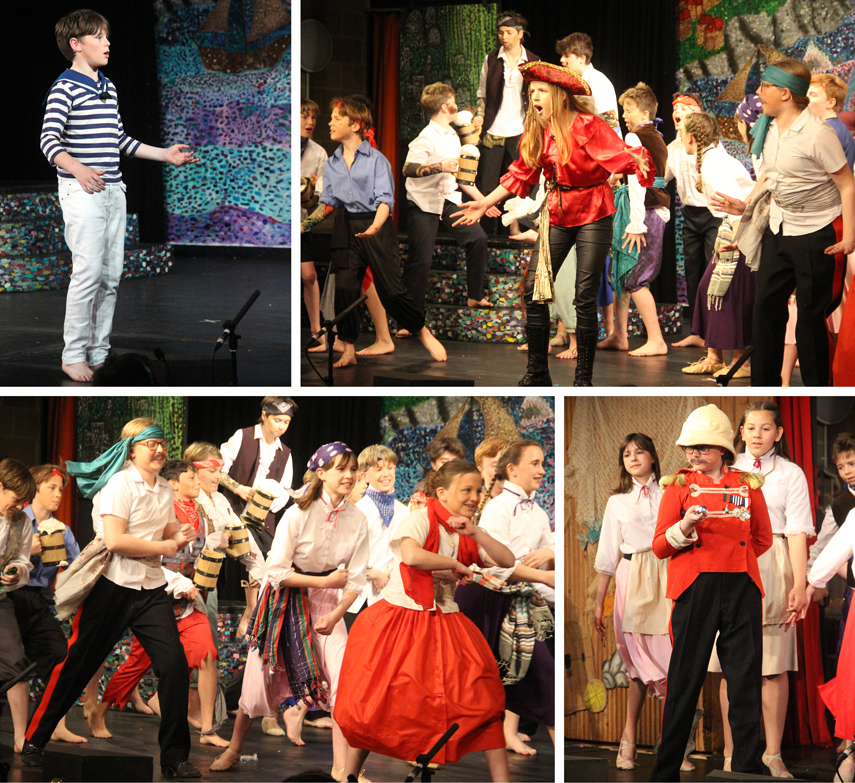
Year 7's 'The Pirates of Penzance, Jr' 2026
Rehearsals become a space where pupils push themselves further than they thought possible, experiment boldly with new ideas and discover the discipline that true dedication requires. They learn to persevere when scenes are challenging, to listen closely to one another and to embrace the creative risks that turn good theatre into unforgettable storytelling. In these moments they uncover stamina, resilience and the deep satisfaction that comes from building something together. They feel the adrenaline of performance, the thrill of stepping into the light and the pride that comes from knowing they have shaped something extraordinary with their own hands, voices and imagination.
This production is often remembered for years, perhaps decades. It becomes a defining milestone, the moment where our pupils begin to see themselves not just as performers but as storytellers and creators with something meaningful and authentic to say. It is the experience that shows them the power of their own voice and the lasting impact of shared creativity.
Mastery, Depth and the Courage to Be Real
Year 8 represents the pinnacle of the Drama journey at St John’s. It is a time of mastery, emotional maturity and artistic courage. The Passion Play sits at the heart of this experience and calls upon pupils to explore complex themes with honesty and sensitivity. They engage with ideas of justice, fear, hope, loss and compassion, learning to perform with dignity and emotional nuance.
Drama is not about becoming someone else. It is about discovering who you already are and being brave enough to share it.
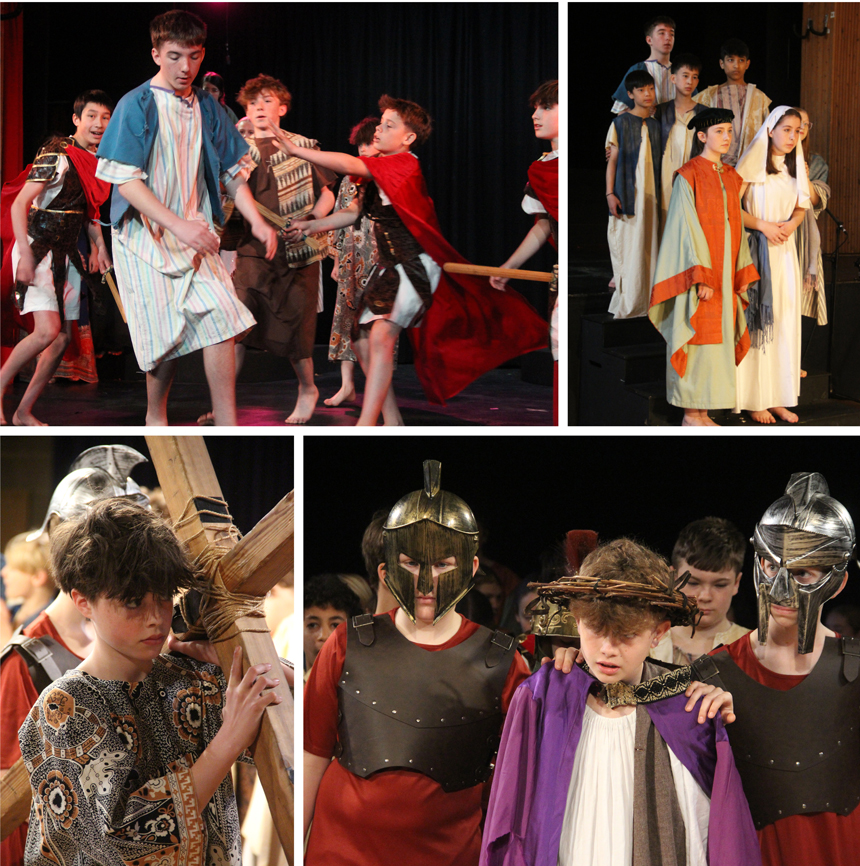
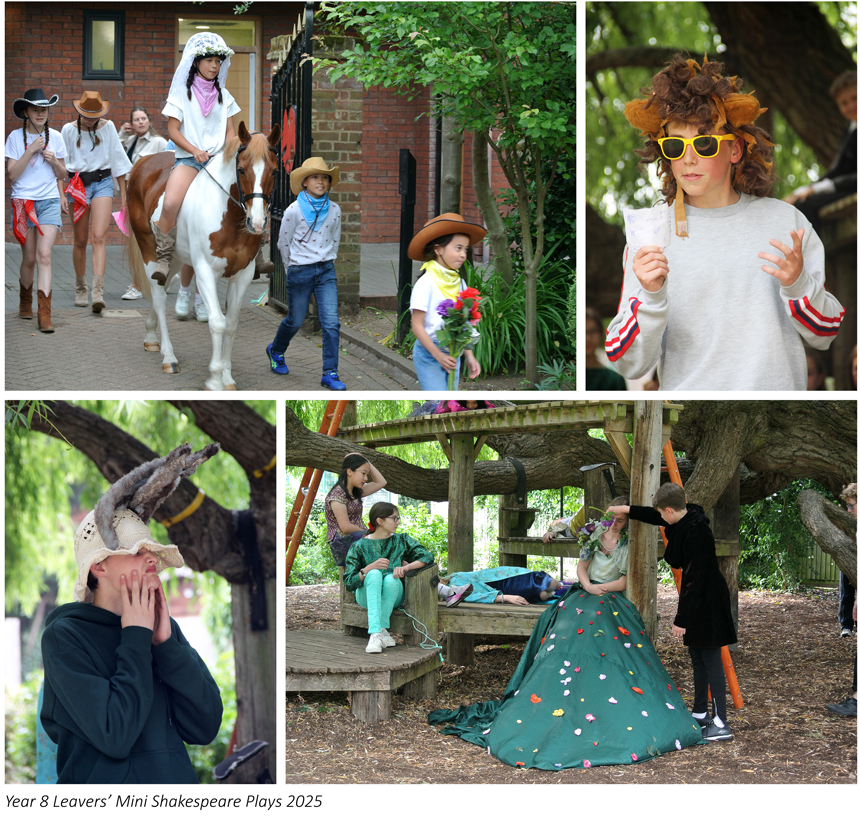
Alongside this core production pupils work on the Latin play, a series of mini-Shakespeare plays, and an array of smaller scenes and projects that stretch their expressive range. They learn to inhabit language that many adults find daunting. They use physical theatre, suggestion and ensemble work to create powerful illusions: storms breaking over the stage, monsters rising from the sea, characters flying without wires. The magic is created through unity and belief.
By the end of Year 8 pupils possess an extraordinary degree of poise and confidence. They know how to hold a room, how to find stillness, how to use their bodies and voices with purpose and how to shape moments that stay with an audience long after the curtain falls. They carry themselves with a quiet assurance that speaks of years spent learning to trust their instincts and their imagination. They step forward not only as accomplished performers, but as young people who understand the strength of their own presence in the world.
When our pupils stand in the Passion Play, they carry stories of hope, justice and courage with a sincerity that moves audiences long after the final moment.
A Drama Education Like No Other
Drama at St John’s is an education in life. It develops articulate, grounded and expressive young people who know how to communicate clearly, collaborate generously and approach challenges with courage. It gives children the confidence to take risks, to experiment, to fail safely and to try again. It instils emotional literacy, self knowledge and a profound sense of empathy.
Our pupils learn how to read the energy in a room. They learn how to speak so others will listen. They learn how to adapt when a moment shifts unexpectedly. They learn how to balance individuality with collective purpose. And they learn how to hold onto the playful creativity that makes childhood extraordinary. Visit any rehearsal, any performance or any Drama lesson at St John’s and the truth becomes immediately evident. Every child belongs. Every child contributes. Every child is transformed.
Drama is not an optional extra. It is not a once‑a‑year spectacle. It is the heartbeat of our school and one of the most profoundly impactful experiences we offer.
Author: Tim Clarke (Head of Drama)