Science
Science at St John’s gives children a deep understanding of the physics, chemistry and biology that shape their world, but our ambition goes far beyond knowledge acquisition. We teach children to think and behave like scientists. They hypothesise, test ideas, analyse results and refine their thinking through practical investigation. From exploring electrical circuits to constructing models of the human skeleton, pupils learn to question, experiment and collaborate as genuine young researchers.
Technology
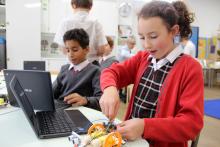
Our approach to digital technology centres on Computing. Children do not simply learn to use digital tools; they learn to understand and control them. Through physical computing and coding, pupils work with Micro:bits, sensors and programmable components, developing the confidence to design systems, collect data and automate solutions. This empowers them to become creators of technology rather than passive users.
Engineering
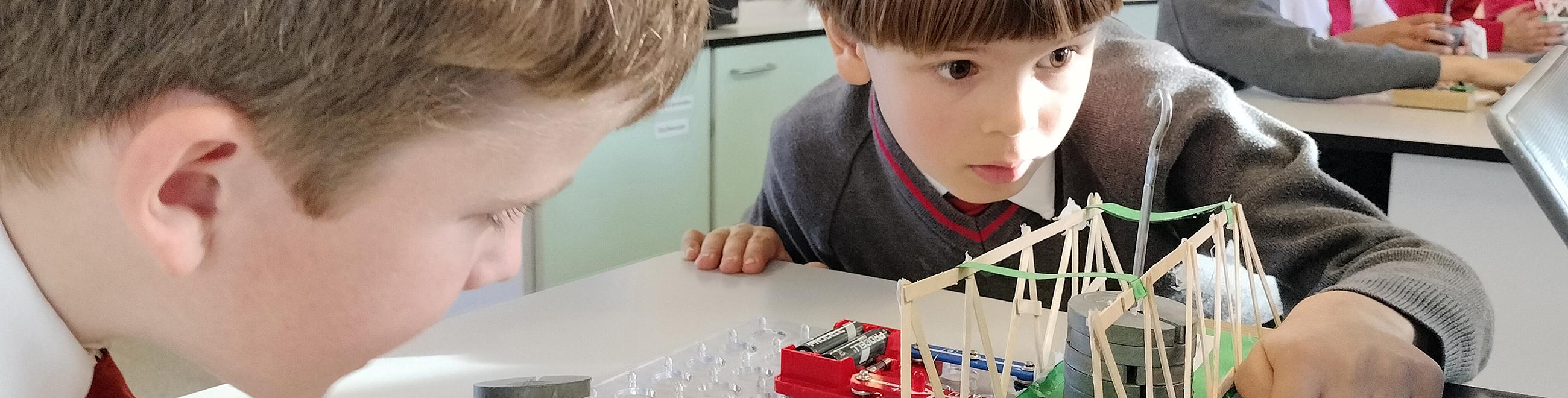
In Design Technology, pupils learn construction skills with a wide range of materials, but we aim for something more ambitious. We nurture young engineers who can identify problems, design prototypes and build purposeful solutions. Whether they are testing the load‑bearing strength of bridge designs or refining mechanisms in moving models, children learn to think spatially, iteratively and creatively.
Maths
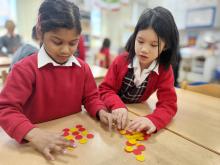
Strong arithmetic is essential, but mathematics at St John’s is also an intellectual adventure. We develop mathematicians who can reason, investigate and solve complex problems. Pupils explore patterns, test conjectures and apply mathematical thinking across real‑world contexts, deepening their understanding through inquiry and exploration.
How We Teach STEM
STEM at St John’s is an integrated, dynamic approach that brings Science, Technology, Engineering and Maths together in meaningful ways. Every year group engages in STEM activities within their subject lessons, and Senior House pupils take part in annual STEM faculty afternoons that extend and enrich their learning.
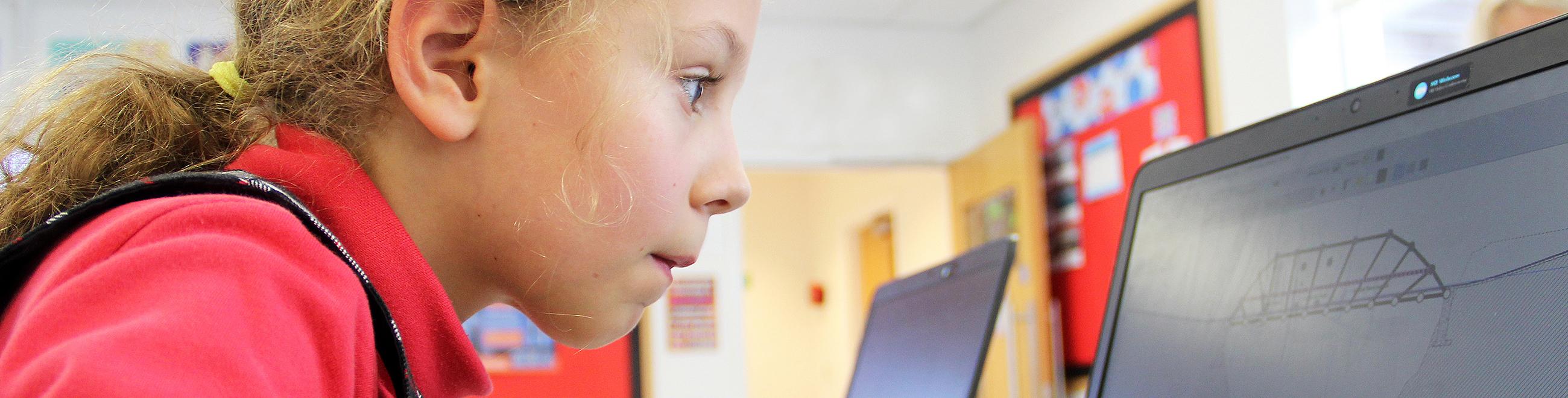
Form 2 (Year 4) experience an especially exciting stage in their STEM journey. They have a weekly timetabled STEM afternoon in the Senior House Science and Computing Laboratories, working with specialist teachers on ambitious, hands‑on projects. These sessions include:
- Programming Micro:bits to create step counters, reaction‑time games and environmental monitors
- Building and testing electrical circuits, experimenting with switches, motors and sensors
- Investigating the human skeleton, constructing joint models to understand movement and biomechanics
- Engineering bridges, designing, building and load‑testing structures to explore forces, tension and compression
- Designing and programming a working lighthouse, combining research, circuitry and coding to solve a real engineering challenge
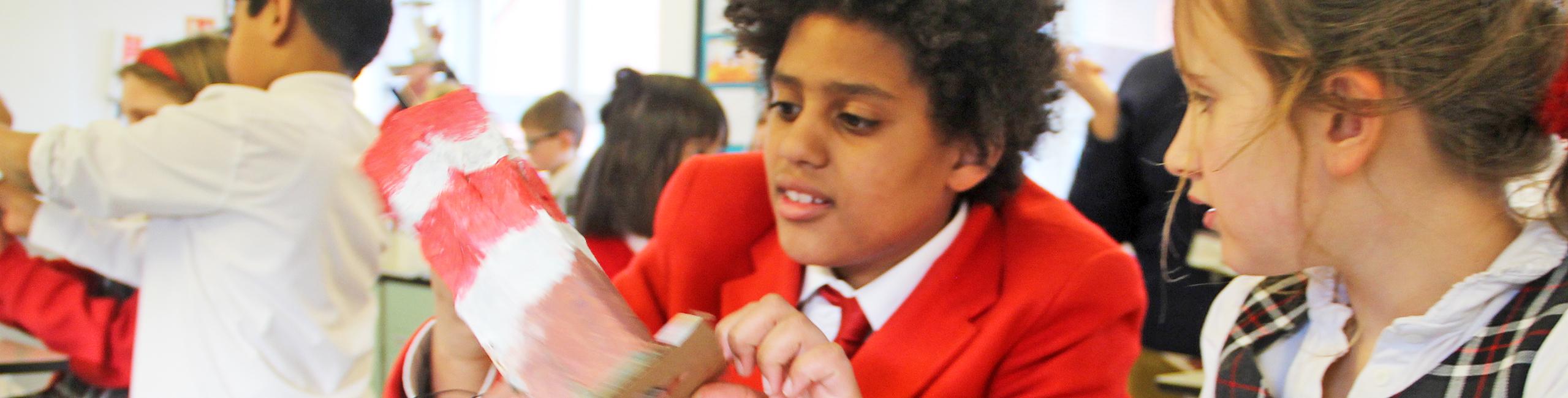
This approach gives children far more than subject knowledge. It develops agency, independence and intellectual courage. Pupils learn to take responsibility for their ideas, to collaborate thoughtfully and to see themselves as capable problem‑solvers who can shape and understand the world around them.
Each project requires pupils to make design decisions, test prototypes, analyse results and refine their solutions, drawing on all four STEM disciplines in an authentic and integrated way.