The Form 6 pen tidy project is a dynamic example of how Design Technology at St John’s nurtures creativity, technical confidence, and purposeful learning. With Mrs Wright, our Head Teacher, acting as the client, pupils were set a meaningful and engaging challenge: to design and make a desk organiser that would help her keep her pens in order while also being attractive enough to take pride of place on her desk.
What appears at first to be a simple brief quickly becomes a rich, multi layered learning journey that encourages pupils to think like designers, makers, and young entrepreneurs.
From the outset, pupils explored the needs of their client, considering how Mrs Wright works, the type of environment she prefers, and what kind of organiser would genuinely support her daily routine. This early stage required thoughtful problem solving as pupils balanced function with aesthetics and imagined how their ideas would be used in a real setting. They researched existing products and gathered inspiration, creating mood boards that helped them identify colours, shapes, and themes that might influence their own designs.
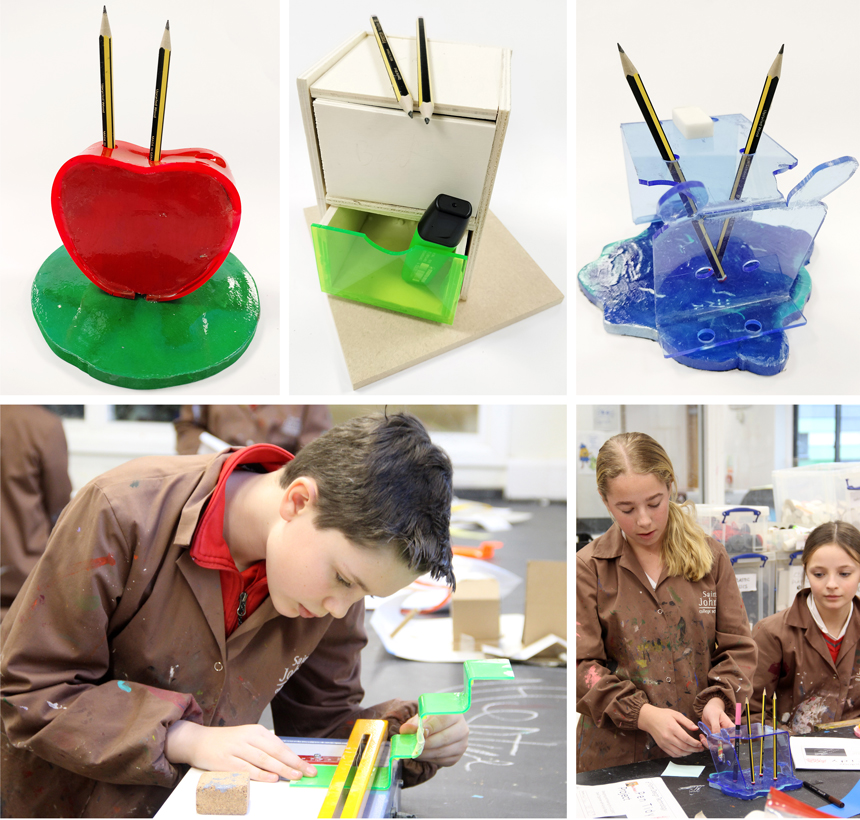
Many were particularly inspired by the imaginative work of Alessi, discovering how everyday objects can be transformed into delightful, characterful pieces that still perform their function effectively.
Drawing and visual communication played a central role throughout the project. Pupils produced initial sketches, refined their ideas, and created isometric drawings to communicate their concepts clearly. These drawings were essential tools for thinking, planning, and explaining their intentions. They then moved into modelmaking, using card to test proportions, stability, and the overall form of their organiser. This stage taught them that design is an iterative process in which ideas evolve through testing, reflection, and modification.
Once their concepts were ready, pupils transferred their ideas into acrylic plastic, working with a range of workshop tools and machinery. They used hand drawing tools to mark out their designs, the pillar drill to create precise holes for pens, the jigsaw to cut shapes, and the strip heater to bend the acrylic into freestanding forms. Those who opted for the more challenging pathway experimented with joining techniques, combining additional materials to create more complex structures. Throughout this practical work, pupils learned to think carefully about sequencing, deciding which operations to complete first and how to handle the material safely and effectively. They developed an understanding of how to smooth and round cut edges, how to keep the acrylic surface clear and scratch free, and how to maintain a high standard of quality in their workmanship.
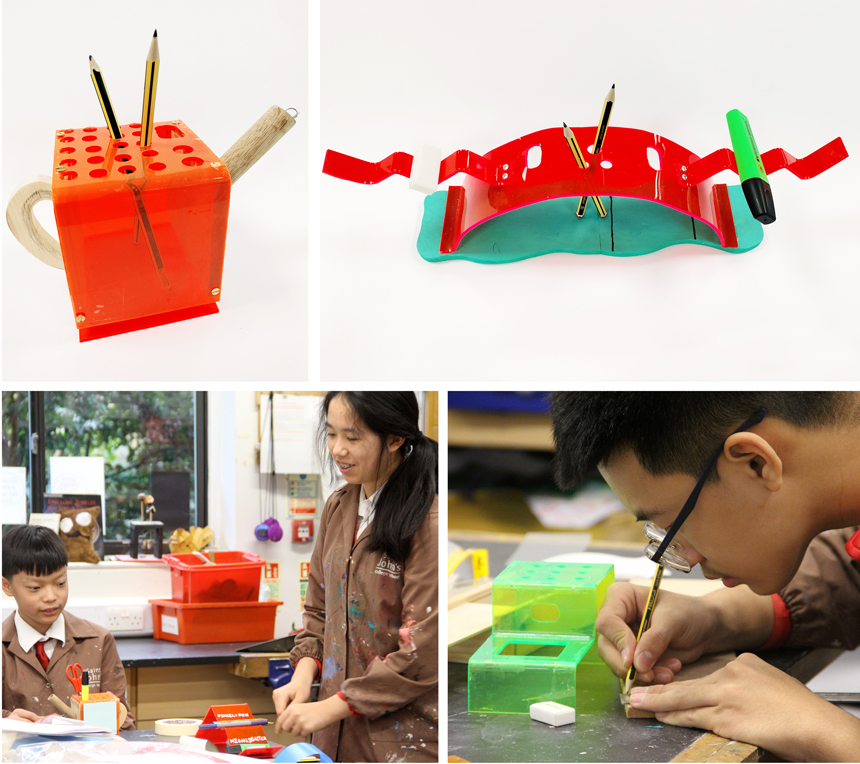
After assembling their prototypes, pupils tested them for stability, capacity, ease of use, and visual appeal. They made modifications where necessary, refining their designs to better meet the specification and the needs of their client. This stage reinforced the idea that good design is the result of thoughtful decisions, careful craftsmanship, and a willingness to improve.
The project concluded with a Dragon’s Den style presentation, where pupils presented their organisers to Mrs Wright and a panel of “Dragons.” They explained their design choices, justified how their organiser met the brief, and reflected on the challenges they had overcome. This experience helped pupils develop confidence, communication skills, and the ability to speak clearly about their creative process. It also gave them a taste of what it means to pitch an idea professionally, linking classroom learning to real world entrepreneurial thinking.
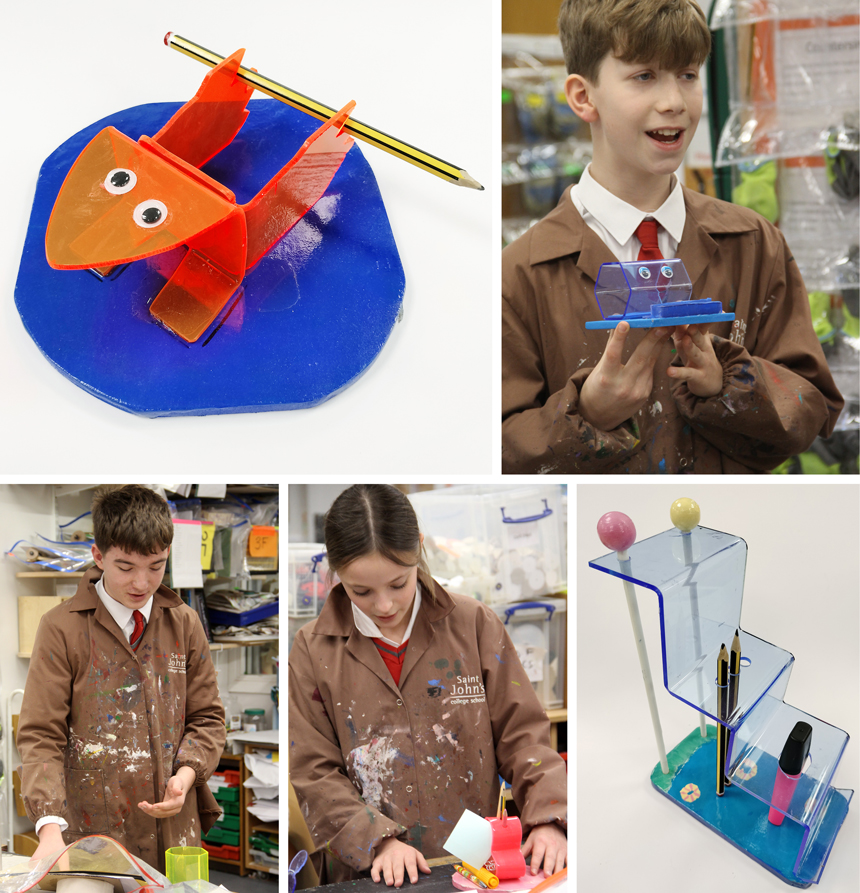
In their final evaluations, pupils reflected on how effectively their organiser met the design specification, the quality of their craftsmanship, the success of their design decisions, and what they might improve if given more time. Many recognised how much their problem solving, drawing, model making, and workshop skills had developed over the course of the project.
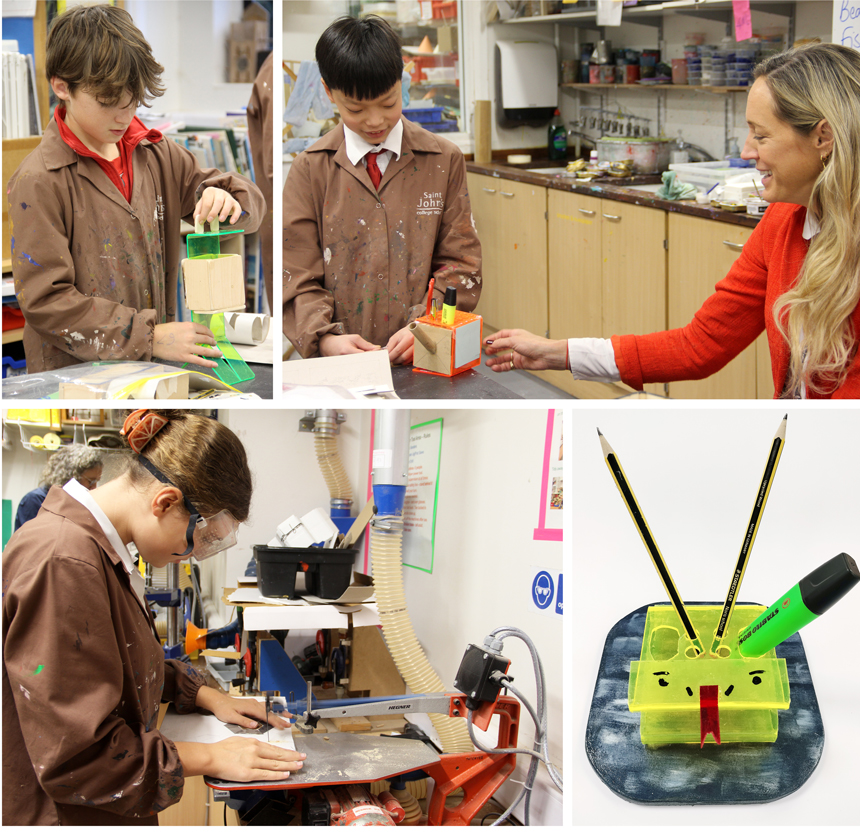
What began as a brief to design a pen tidy for the Head Teacher became an opportunity for pupils to grow as designers, makers, and confident communicators, producing work that was functional, imaginative, and made to a high standard.